Dynamic Lists - ADVOCACY UPDATES
- Advanced Search - STATE REGULATIONS
- Advanced Search - TECH TIPS
- Advanced Search - BLOG POSTS
- Dynamic Lists - WEBINARS
- Dynamic Lists - ADVOCACY UPDATES
- Dynamic Lists - DIGITAL & SCREEN PRINTING
- Dynamic Lists - COMPLIANCE & REGULATIONS
- Dynamic Lists - SGIA PRESS RELEASES
- Dynamic Lists - MEMBER PRESS RELEASES
-
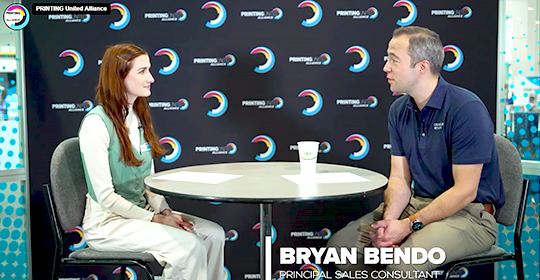 Interview With Bryan Bendo, Principal Sales Consultant NetSuite
November 4, 2024
Learn more about Oracle NetSuite in this exclusive Member Spotlight at PRINTING United Expo 2024. -
Drytac Announces Global Availability of Paper Fleece Smooth
October 31, 2024
Drytac, the leading international manufacturer of self-adhesive materials for the large-format print and signage markets, is delighted to announce the global availability of Paper Fleece Smooth. The product has proved hugely successful since initially launching in the UK earlier this year and will be made available to customers in other regions worldwide from October 24th 2024. -
 PRINTING United Alliance and ASI Launch ASI Show Pavilion at 2026 Las Vegas Expo
October 30, 2024
PRINTING United Alliance and the Advertising Specialty Institute® (ASI) today announced details of an exclusive new ASI Show pavilion debuting at PRINTING United Expo 2026, held September 23-25 at the Las Vegas Convention Center. The “show-within-a-show” experience is designed to give industry professionals new ways to grow their businesses. -
X-Rite, Pantone, and Sun Chemical Add Color Libraries to PantoneLIVE for Extruded Aluminum Aerosol Packaging
October 30, 2024
Sun Chemical, X-Rite Incorporated and Pantone LLC announce new Monobloc color libraries in the PantoneLIVE™ digital color ecosystem. These libraries facilitate the accurate communication of Pantone standards in the production of monobloc cans, helping brands and metal packaging manufacturers set achievable expectations in the design, proofing, and printing for gloss or matte varnish on monobloc aerosols, aluminum collapsible tubes, cartridges, and felt pen cases. -
Linemark Printing Inc. Announces Leadership Transition: Steve Bearden Appointed Chairman,
Michael Marcian Named President
October 30, 2024
Upper Marlboro, MD – October 28, 2024 – Linemark Printing Inc. is pleased to announce a strategic leadership transition designed to position the company for continued growth and innovation. Steve Bearden, who has served as President since 1998, will assume the role of Chairman. In this capacity, Bearden will focus on advising the company’s leadership team, guiding its long-term strategy, and supporting future business initiatives.